Vehicle Spall Liners vs Add-On Armor Plates: What Each Is For
Armor plates are meant to stop threats. Spall liners are meant to catch the fragments that break loose behind a struck surface. Here is how the two roles differ, where spray-applied liners fit, and why none of them should be oversold.
What this guide covers
- Armor: stopping the threat
- Spall: the hazard behind the plate
- Spall liners: catching fragments
- Where spray-applied polymer coatings fit
- How the layers work together
Discussions about protected vehicles often blur together several different technologies. Armor plates, spall liners, ballistic glass and spray-applied coatings each play a role, and confusing those roles leads to poor decisions and dangerous assumptions. This article explains what armor and spall liners are designed to do, how they work together, and where spray-applied polymer coatings fit, without overstating what any of them can achieve.
Armor: stopping the threat
Armor is the layer intended to defeat a specific threat, such as a particular projectile at a specified velocity. Armor materials include steel, aluminum, ceramics and composite laminates, often in combination. Armor is tested against defined threats under standardized conditions, and its rating applies only to those threats and conditions.
Key points about armor:
- Protection is threat-specific. Armor rated for one threat may not stop a more powerful one.
- Coverage matters. Gaps, seams, windows and doors are potential weak points.
- Weight is significant. Adding armor affects vehicle performance, suspension, brakes and fuel use.
- Certification and testing documentation should come from recognized test protocols.
Spall: the hazard behind the plate
When a projectile or blast fragment strikes a hard surface, it can break off fragments from the back face of that surface, even if the projectile itself does not fully penetrate. These fragments, called spall, travel into the interior at high speed and can injure occupants. Spall can also come from the projectile breaking up or from fittings and equipment knocked loose.
Spall liners: catching fragments
A spall liner is installed on the interior side of a vehicle’s armor or structure to catch and slow fragments. Traditional spall liners are made from layered high-strength fabrics or composite panels. Their job is to reduce the number and energy of fragments entering the crew space.
Key points about spall liners:
- They are not primary armor and are not intended to stop a threat on their own.
- They work in combination with the armor or structure in front of them.
- Their effectiveness depends on material, thickness, attachment and coverage.
- They add weight and take up interior space, so design involves tradeoffs.
Where spray-applied polymer coatings fit
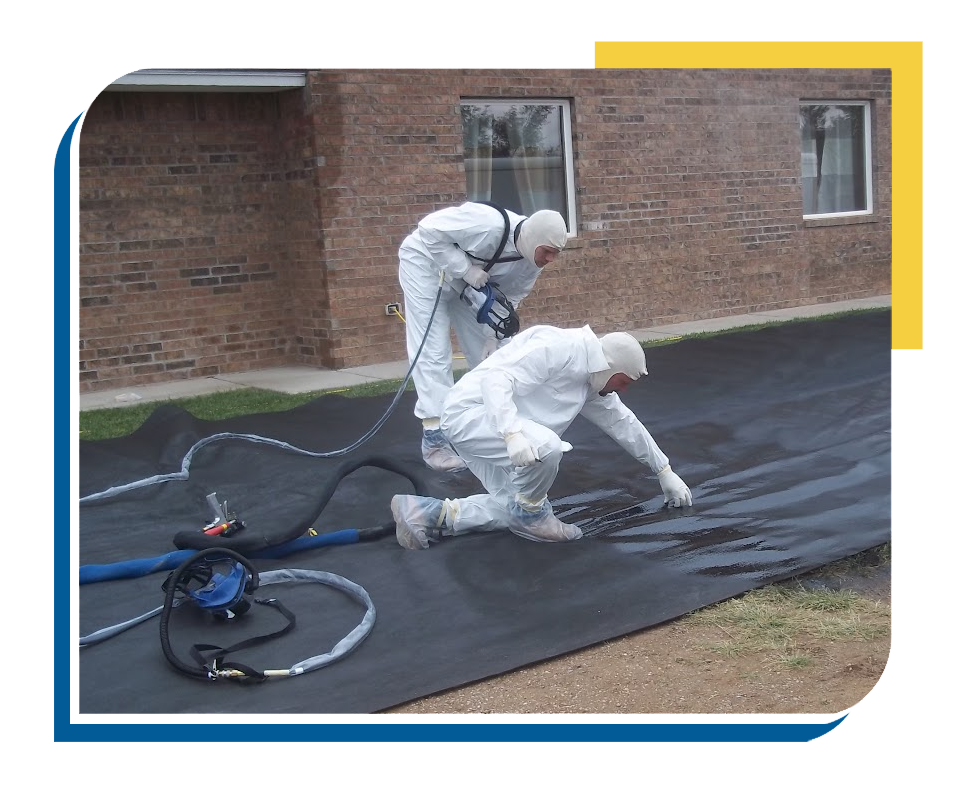
Elastomeric coatings such as polyurea have been studied and used in protective applications because of their toughness, elongation and ability to adhere to steel and other substrates. In vehicle and structural contexts, they are sometimes applied to help contain fragments or improve the behavior of a panel under impact or blast loading. ArmorThane has more on blast mitigation coatings for walls and structures.
It is important to be precise about what these coatings are:
- Polyurea is not bulletproof armor. A coating alone should not be expected to stop projectiles.
- Any protective benefit depends heavily on the substrate, coating thickness, threat and system design.
- Claims should be backed by testing for the specific configuration, not by general statements about the material.
- Coatings also serve practical roles, such as abrasion resistance, corrosion protection and noise reduction, that are unrelated to ballistic performance.
Some manufacturers, including ArmorThane, offer polyurea products for blast-mitigation applications. Anyone considering such products for protection should request test data for their exact use case and work with qualified engineers.
How the layers work together
A protected vehicle is a system. A simplified view of the layers from outside to inside:
- Outer structure and armor intended to defeat specified threats
- Possibly additional layers or coatings that affect how the structure behaves
- Spall liner to catch fragments
- Interior fittings secured to avoid becoming projectiles
Each layer has a role. Removing or substituting one changes the performance of the whole system.
Maintenance and inspection
Protective systems degrade if they are not maintained. Spall liners can be damaged by moisture, abrasion or careless removal during vehicle servicing. Armor fasteners loosen, and seals around armored doors wear out. Coatings can be cut or worn through. A documented inspection schedule keeps the system in its tested condition.
Weight and practicality
Every protective layer adds weight. On civilian vehicles that are converted for protection, added weight can exceed the vehicle’s design limits, affecting handling, braking and durability. Responsible upfitters account for suspension, brakes, tires and drivetrain. When comparing options, ask about weight as well as protection.
Questions to ask a supplier
- What specific threats is this system tested against, and to which protocol?
- Was the entire system tested, or only individual materials?
- What coverage does the system provide, including doors, roof and floor?
- What is the added weight, and how is the vehicle upgraded to carry it?
- What are the maintenance and inspection requirements?
Common misconceptions
“A thick coating makes a vehicle bulletproof.”
No. Coatings are not substitutes for tested armor.
“A spall liner can replace armor.”
No. Spall liners reduce fragment hazards behind armor or structure; they are not designed to defeat threats alone.
“Any armor rating means full protection.”
Ratings apply to specific threats and test conditions. Coverage gaps and threats beyond the rating remain risks.
Related reading: Spall Liners Explained: How They Protect Vehicle Crews
Frequently asked questions
Are spall liners used only in military vehicles?
They are common in military vehicles and are also used in some armored civilian and security vehicles.
Does polyurea have any protective role?
It has been studied and used as part of some blast and fragment mitigation systems. Performance depends on the full system and should be verified by testing.
Where can I learn more about test standards?
Look to recognized standards bodies and testing laboratories for the protocols relevant to your region and application.