Safe Room Construction: Building a Room for Storms, Intruders or Both
Tornado shelters and ballistic safe rooms follow different standards and solve different problems. Here is how each is built, what standards apply, and how to combine them.
What this guide covers
- Storm safe rooms
- Ballistic and security safe rooms
- Things people forget
- Combining storm and ballistic protection
- Where coatings help
“Safe room” means different things to different people. In tornado country, it means a reinforced room that can survive a direct hit and flying debris. For a business or a high-profile homeowner, it might mean a room that can stop bullets and keep an intruder out until help arrives. Some people want both. The construction overlaps, but the standards and details are different.
Storm safe rooms
In the U.S., storm shelters and safe rooms are guided by FEMA P-361 and the ICC 500 standard. They are designed to resist extreme wind pressures and debris impacts, including a heavy wood board traveling at very high speed, which is a surprisingly destructive projectile.
Common construction methods:
- Reinforced concrete or fully grouted, reinforced concrete block walls and roof
- Steel-framed rooms with steel skins
- Prefabricated shelters that are tested as a unit and anchored to a slab
- Tested doors with multiple latching points, because doors are the most common failure point
Anchoring to the foundation matters as much as wall strength. A strong box that is not tied down can be moved.
Ballistic and security safe rooms
Security safe rooms are designed to delay entry and stop gunfire. They are usually built to UL 752 ballistic levels, sometimes along with forced-entry resistance standards. We explain the UL 752 levels in UL 752 levels explained.
Typical construction:
- Ballistic fiberglass or steel panels behind normal wall finishes
- A rated door, frame and hardware, all as one assembly
- Rated glazing or no windows at all
- Protected ceiling and floor where an attacker could gain access from above or below
Things people forget
- Communication. A landline or hardwired connection, plus cell coverage. Steel and concrete can block phone signals.
- Ventilation. Especially for rooms meant to be occupied for longer periods.
- Lighting and power that do not depend on the main panel.
- Supplies. Water, first aid, a flashlight, medications.
- Access. Everyone who might need the room should be able to reach it quickly.
Combining storm and ballistic protection
A reinforced concrete room built for tornadoes already provides substantial protection against many threats. Adding a rated ballistic door, rated glazing and attention to penetrations can turn a storm shelter into a dual-purpose room. The reverse is less true: a lightweight ballistic panel room may not meet storm debris requirements without added structure and anchoring.
Where coatings help
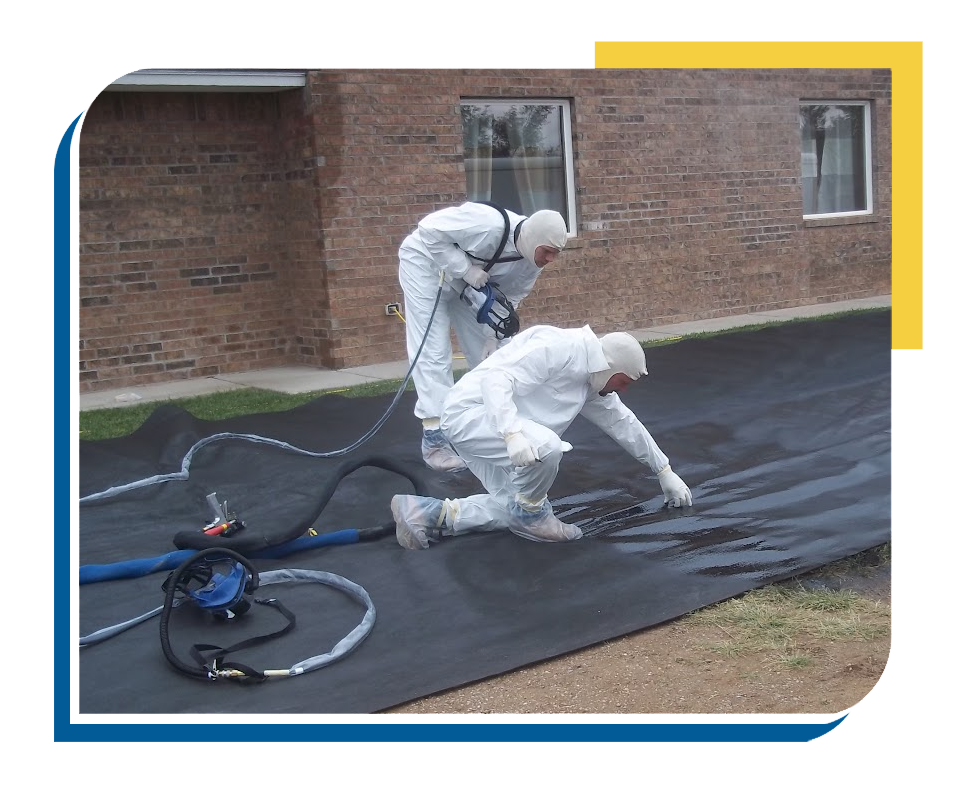
Spray polyurea coatings are used in some hardened structures to hold concrete and masonry together under impact or blast and reduce flying fragments. Military and government testing has explored this, and ArmorThane summarizes one example in its NATO blast mitigation testing case study. A coating is a supplement, not a rating, so it should be part of an engineered design.
Getting it right
For a storm shelter, look for products and designs that reference the FEMA and ICC standards and use a contractor who has built them before. For a ballistic room, work with a security consultant and suppliers who can provide test documentation for each component. In both cases, permits and an engineer’s review are worth the time.
For more on blast-resistant design, BlastGard Guide keeps a useful collection of reference material.