Enhancing Protection Against Ballistic Threats With Polyurea
Ballistic protection is used in settings ranging from military operations to personal safety measures. Its primary objective is to shield individuals and valuables from projectile dangers such as bullets and shrapnel. Recent advancements in…

Key takeaways
- Polyurea forms a seamless elastomeric coating that absorbs and disperses impact energy instead of transmitting it into the substrate.
- Applied over steel, ceramic or composite plates, it spreads impact force across the panel and stops the plate cracking or shattering.
- Cure time is measured in minutes rather than days, so protective gear and vehicles can be produced and fielded quickly.
- Real-world use runs from ballistic shields and body armour to vehicle skins and reinforced walls and doors.
Ballistic protection is used in settings ranging from military operations to personal safety measures. Its primary objective is to shield individuals and valuables from projectile dangers such as bullets and shrapnel. Recent advancements in material science have paved the way for protective measures, with polyurea emerging as a key element.
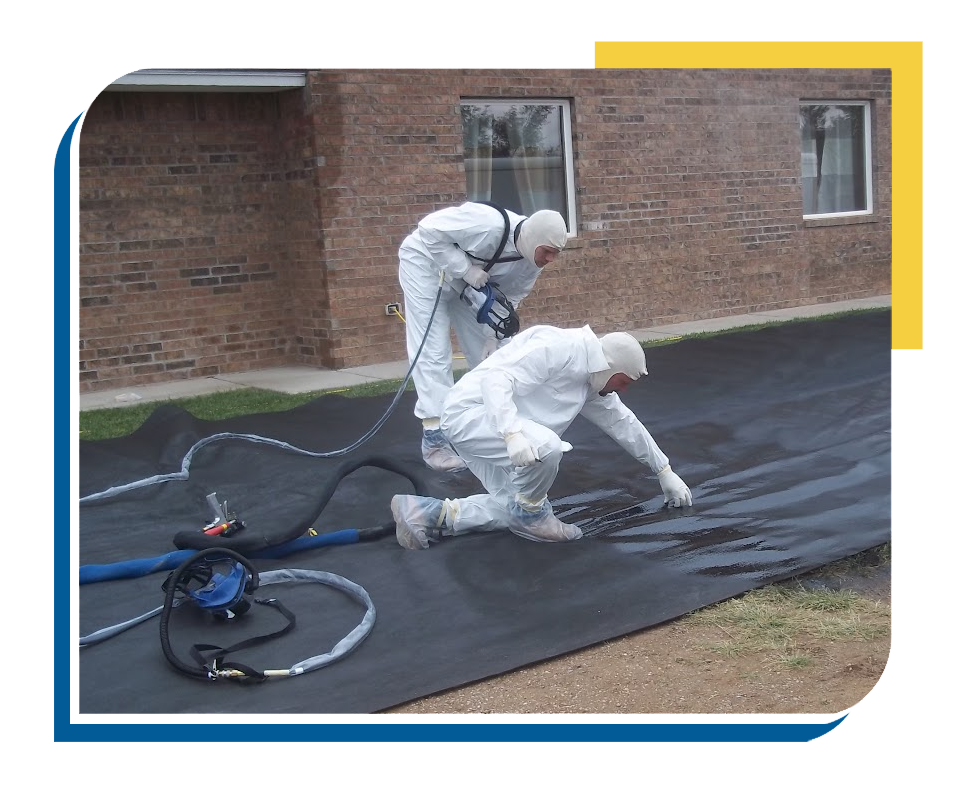
Polyurea, recognized for its durability and flexibility, is a type of elastomer that creates a seamless coating when applied to surfaces. Its distinctive characteristics make it well-suited for protection purposes. Polyurea excels in absorbing and dispersing energy upon impact, reducing the likelihood of penetration or structural damage.
In protection applications, polyurea is commonly utilized as a layer on armor plates. While traditional armor plates crafted from steel or ceramic are effective they can be cumbersome and inflexible. Incorporating polyurea onto these plates enhances their performance significantly by introducing a layer of flexibility and energy absorption capabilities. This enhancement renders the armor more resilient against types of projectile threats.
One notable advantage of polyurea is its ability to adhere to substrates effectively. This feature enables its application to various armor materials, including steel, ceramic, and composites. When subjected to impact from projectiles, the polyurea coating distributes the impact force across the armor surface.
Using polyurea helps prevent armor from cracking or shattering, enhancing its capabilities.
Polyurea is commonly used to create shields to protect individuals from gunfire and explosions. Its lightweight, sturdy properties make it an ideal choice for this purpose. Ballistic shields coated with polyurea offer both protection and ease of handling, allowing for mobility in situations.
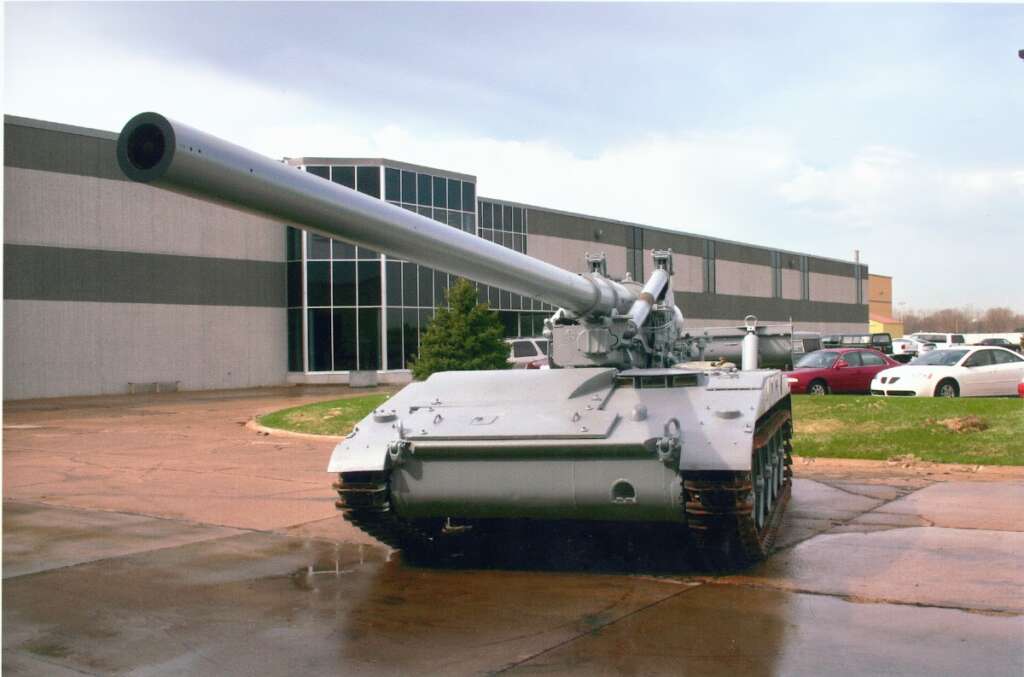
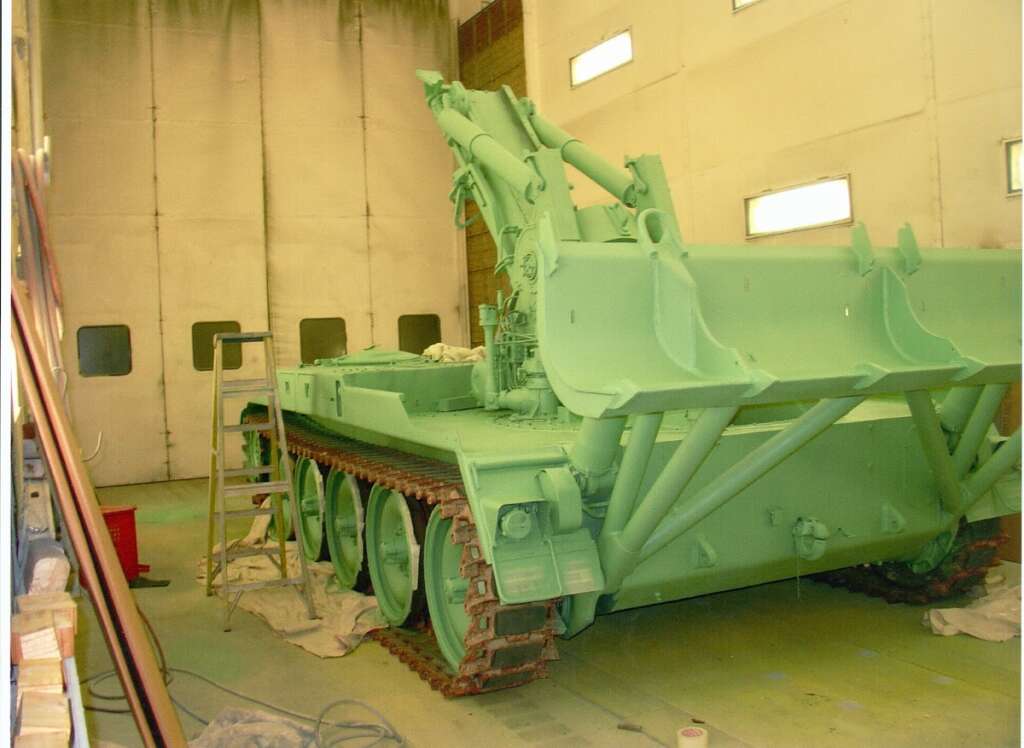
Military and security vehicles also benefit from polyurea coatings to withstand impact from bullets and explosive devices. Applying polyurea on the vehicle surface boosts its features by absorbing impact energy, thus minimizing damage and ensuring the safety of occupants while maintaining efficiency.
An advantage of polyurea is its curing time, which is beneficial in ballistic protection scenarios where time is of the essence. Unlike coatings that take days to cure, polyurea sets rapidly within minutes, facilitating quicker production and deployment of protective gear and vehicles essential in urgent military operations.
Research confirms the effectiveness of polyurea in enhancing protection. Studies demonstrate the performance of armor plates and shields coated with polyurea compared to uncoated ones.
The durability and elasticity of the material allow it to endure conditions and impacts. In the face of threats, polyurea can. Absorb energy, reducing the chances of damage or structural failure.
Polyurea also plays a role in protective gear like helmets and body armor. These items coated with polyurea provide added protection for individuals in situations. Its flexibility enables it to absorb impacts while ensuring the wearer’s comfort and freedom of movement. This balance between protection and comfort is crucial for equipment.
Moreover, polyurea finds application in fortifying buildings against violence or attacks. By reinforcing walls and doors with polyurea coatings, an extra layer of security can be added in areas. This coating helps prevent penetration by bullets or shrapnel, thus lowering the risks of harm or destruction. The versatility and effectiveness of polyurea in construction demonstrate its usefulness across scenarios.
To sum up, polyurea is an asset in the realm of protection due to its unique qualities, such as strength, flexibility, and quick setting time. It is a choice for enhancing features in armor, shields, vehicles, and personal protective gear.
Polyurea effectively distributes energy from impacts, lowering the chances of penetration and structural damage. Its use in high-risk scenarios offers protection. The constant innovation in polyurea applications guarantees its significance in the progress of ballistic protection technology.