Bulletproof Windows: Ratings, Glazing Types and How to Choose
Shopping for bulletproof windows? Learn how bullet resistant glazing is built, how UL 752 ratings work, and what to check before you buy.
What this guide covers
- What bulletproof windows really are
- How bulletproof windows are rated
- Spall: the part of a window rating most buyers overlook
- Why the frame matters as much as the glass
- What decides how thick bulletproof windows are
If you are shopping for bulletproof windows for a bank lobby, pharmacy counter, school office or guard booth, the first thing to know is that no window is “bulletproof” against everything. What you can buy is glazing that has been tested against a defined threat, in a defined frame, to a published standard. The rating, the frame and the installation decide whether a window protects people. The marketing name does not.
This guide explains what bulletproof windows are made of, how they are rated, where buyers go wrong, and what to ask a supplier before you sign anything. It draws on the National Glass Association’s technical paper on bullet resistant glazing and on UL 752, the standard most U.S. specifiers use.
What bulletproof windows really are
The industry term is bullet resistant glazing. The National Glass Association (NGA) describes it as a safety barrier against ballistic attack, made from all-glass laminates, glass-clad polycarbonate laminates, and other laminated or monolithic plastics (NGA Glass Technical Paper FB16-07, 2022). The same paper lists typical applications: banks, currency exchanges, police stations, embassies, military installations, prisons, detention centers, government offices and schools.
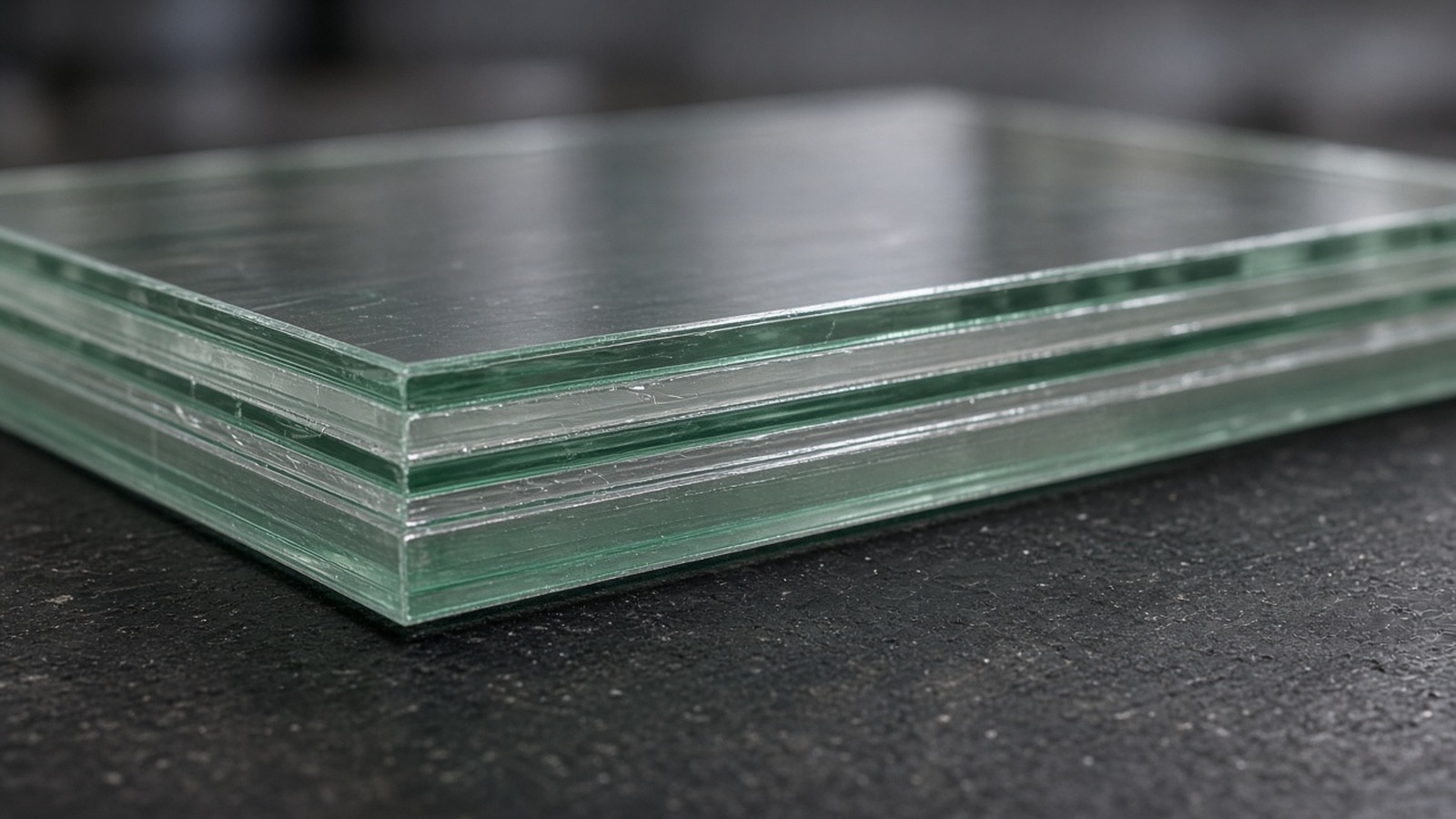
Two construction families dominate:
- All-glass laminates stack several panes of glass with interlayers. The glass layers break and absorb energy while the interlayers hold the pieces together.
- Glass-clad polycarbonate puts plastic layers between glass faces. The outer glass takes the first hit and the plastic backs it up, which helps limit fragments coming off the protected side.
Both families are sold as “bulletproof glass.” Both can be excellent. What matters is that the exact construction was tested to the level you need.
How bulletproof windows are rated
The NGA paper lists the main test standards for glazing: UL 752 (Standard for Bullet Resisting Equipment) and NIJ Standard 0108.01 (Ballistic Resistant Protective Materials). It also names forced-entry tests that include a ballistic component, such as ASTM F1233 and ASTM F3561-22 (forced-entry resistance of fenestration systems after a simulated active shooter attack).
For most U.S. commercial projects, UL 752 is the rating you will see. It defines levels by test ammunition, bullet mass, velocity and number of shots. In plain terms, the lower levels address handguns, the middle levels address rifles, and the upper levels address multiple rifle shots and armor-piercing rounds. Our guide to UL 752 levels 1 to 10 walks through every level and explains why the numbers are not a simple ladder. A higher number does not automatically mean protection against everything below it, so read the threat description, not just the digit.
Three points from the NGA paper deserve a highlight:
- Test conditions matter. The protocol may require testing at cold, ambient and hot temperatures, and glazing performance can change with temperature.
- Standards are not interchangeable. Ammunition, loading, shot pattern and spall measurement differ between standards, and those differences can decide whether a specific construction passes or fails.
- Levels do not stack. A glazing product qualified at one level may not meet the performance required for a higher level.
Body armor is rated under a different system, covered in our article on NIJ ballistic armor standards. The two systems should not be compared number for number.
Spall: the part of a window rating most buyers overlook
Most test protocols evaluate spall, the flying fragments that can come off the back face of the glazing when it is struck. A window that stops the bullet but throws sharp pieces at the person behind it has not done its job. That is why many bullet resistant glazing designs use polycarbonate or other backing layers on the protected side. Test labs check for it directly. Published UL test records describe a thin indicator panel placed behind the sample to catch penetration and fragments, and the pass criterion is the same at every level. See UL Solutions bullet resistant materials testing for an overview of the process, and our explainer on spall liners for the wider topic.
Why the frame matters as much as the glass
The NGA paper points out that ballistic testing is conducted on each component of the bullet resisting system, meaning frame, glazing, speak holes and pass-throughs, so the glazing is tested as a stand-alone component separately from the system. For buyers, the consequence is simple: a rated window pane in an unrated frame is not a rated window.
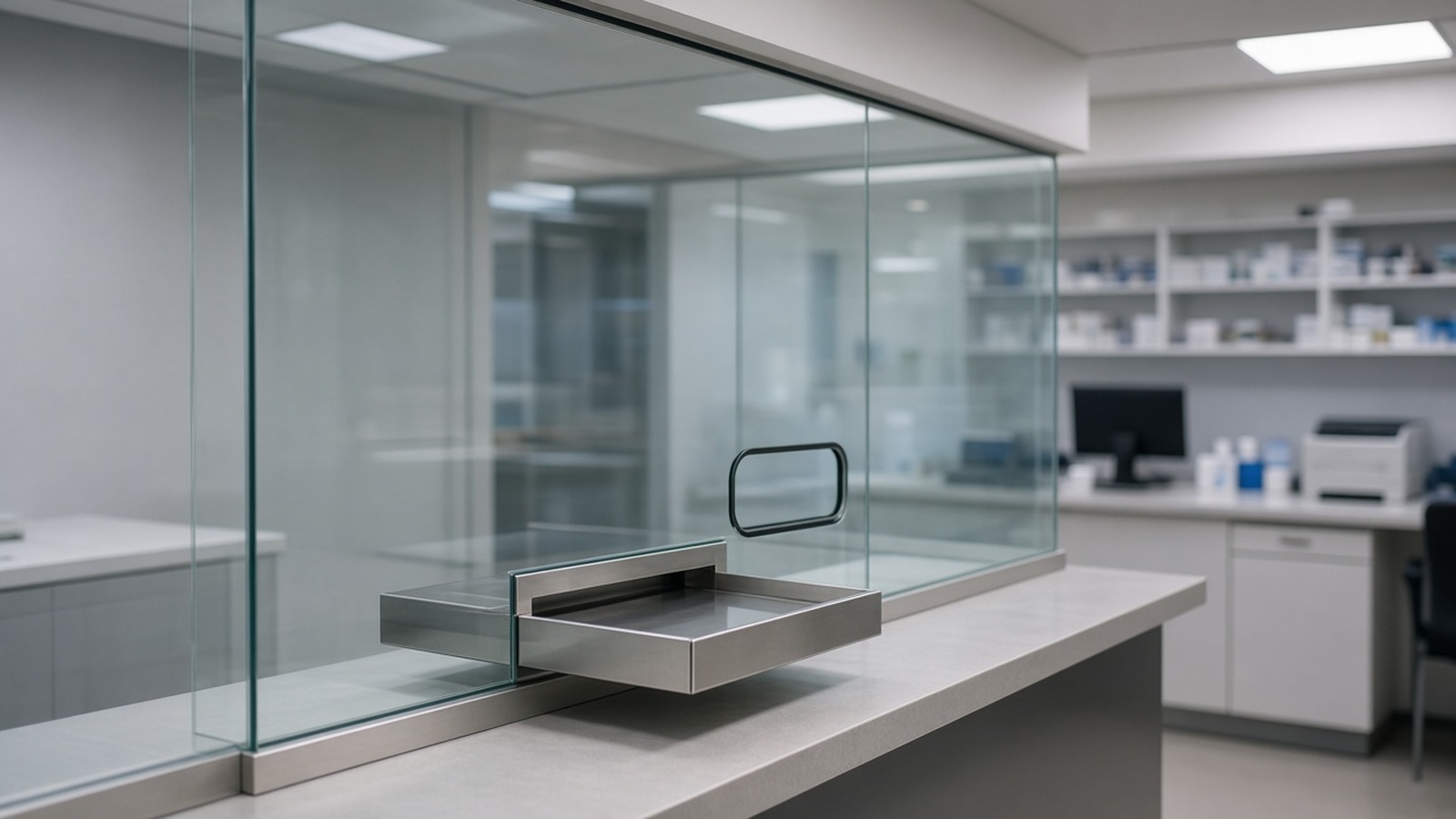
UL runs a certification program for ballistic system components. Under it, manufacturers can list glazing products for use in other certified frames of the same level. For example, UL Level 1 glazing is suitable for installation in a UL Level 1 frame (NGA FB16-07). Participating manufacturers must send samples to UL on a routine basis and apply a third-party label to the glazing. UL publishes the names of companies with listed products in its product certification database.
Check the whole opening:
- Glazing level and frame level match each other and the walls around them.
- Transaction drawers, speak-through openings and pass-throughs are rated to the same level.
- Anchors, fasteners and the wall behind the frame are part of the tested or engineered system.
- Doors and sidelights beside the window are not the weak link. Our guide to bullet resistant wall panels covers the walls that surround a window.
What decides how thick bulletproof windows are
Buyers often ask for a thickness, but there is no universal number. Thickness depends on the level, the materials, the number and type of layers, and the manufacturer’s tested construction. A thinner glass-clad polycarbonate build and a thicker all-glass build can carry the same rating. Ask for the tested construction and the test report instead of comparing millimeters. The NGA paper notes that test reports can be requested from the glazing or security system manufacturer to demonstrate compliance with a particular test method.
Where bulletproof windows are used
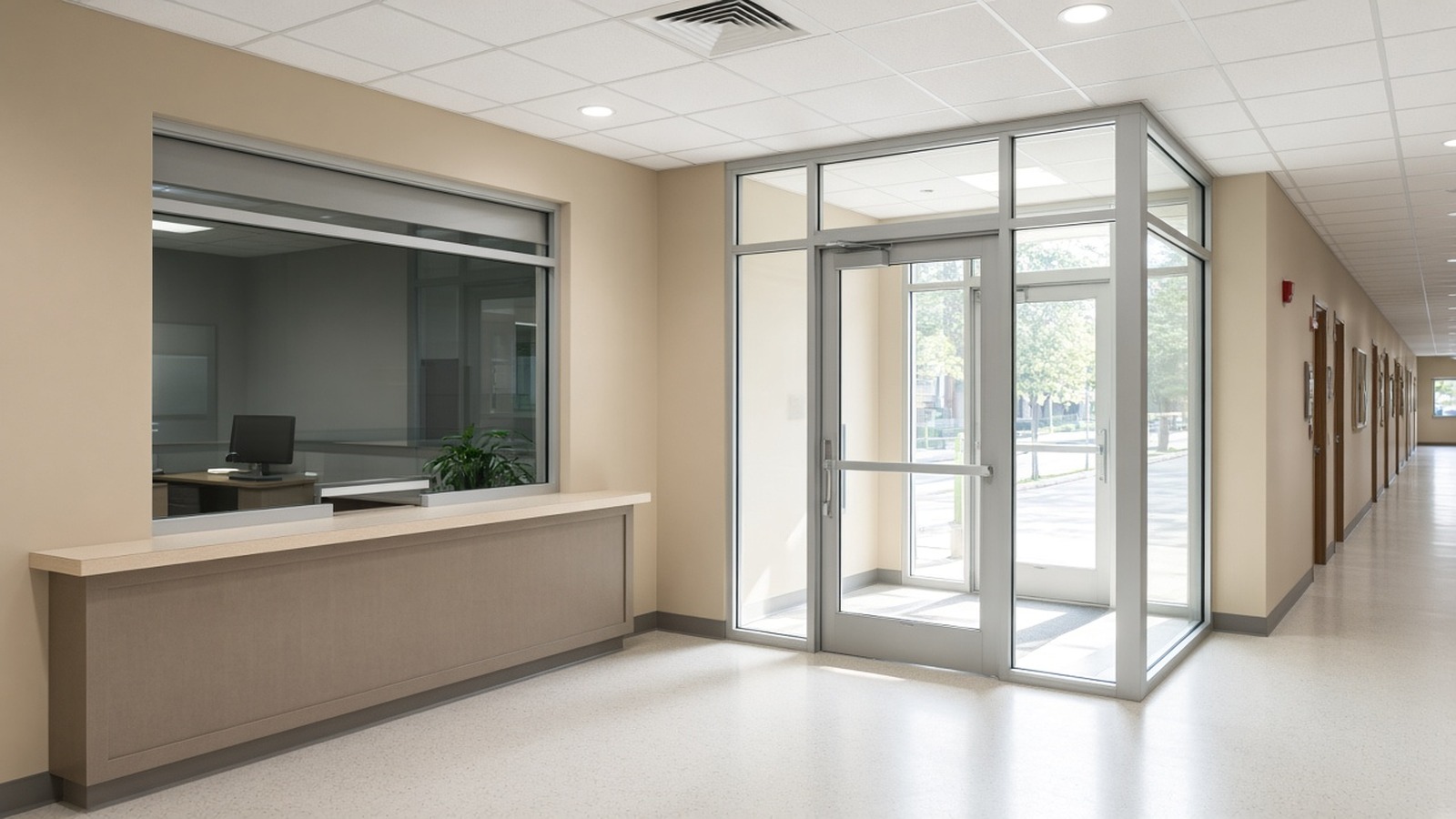
- Financial institutions: teller lines, drive-up lanes and branch entries.
- Schools and government offices: front office reception windows and secure vestibules.
- Healthcare and pharmacies: dispensing counters and after-hours windows.
- Retail and cash handling: cash offices, fuel station booths and check cashing counters.
- Law enforcement and corrections: lobbies, booking and visitor areas.
How to choose bulletproof windows: a short checklist
- Start with a threat assessment. A security professional should define the threat before anyone picks a level. The level is a design decision based on risk, not a default.
- Ask for the rating standard and level. Look for UL 752 or another named standard and the exact level, not the words “bulletproof” or “ballistic grade.”
- Request the test report and the listing. Confirm the glazing and frame are listed together or tested as a system.
- Match every component. Frame, drawers, speak openings, doors and surrounding walls should meet the same level.
- Plan the installation. Anchoring, caulking, wall backing and glazing stops all affect performance. Use installers experienced with ballistic assemblies.
- Think about the rest of the building. A protected window next to unprotected drywall leaves a gap. See what ballistic coatings can and cannot do before relying on a coating as a substitute for a rated barrier.
Common mistakes when buying bulletproof windows
- Buying by adjective. “Bulletproof,” “ballistic grade” and “armored” are not ratings. Only a named standard and level, backed by a report, is evidence.
- Rating the glass but not the system. As the NGA paper explains, components are tested separately, so a mismatch between glazing, frame and accessories can leave the opening weaker than the pane.
- Assuming a higher level covers every lower threat. UL 752 levels were added over time for specific threats, so check the threat description for each level.
- Ignoring temperature and shot pattern. Test conditions and shot patterns differ between standards. Make sure the report you are shown matches the standard named on the quote.
- Skipping the paperwork. Ask for the listing, the test report and the installation instructions, and keep them with your building records.
Frequently asked questions about bulletproof windows
Are bulletproof windows really bulletproof?
No. They are bullet resistant to a specific tested threat. A stronger threat than the rating, or a second shot placed differently from the test pattern, can defeat them. Always read the rating, not the label.
What is the difference between bulletproof glass and bullet resistant glazing?
They describe the same category of product. Industry standards and bodies such as UL and the National Glass Association use the term bullet resistant, because it avoids implying protection against every threat.
What rating do bulletproof windows need?
That depends on your threat assessment. UL 752 offers levels for handguns, rifles and multi-shot rifle threats. Many public-facing handgun-focused installations specify a mid-level handgun rating, but that is a design choice made by a security professional, not a requirement of the standard.
Do bulletproof windows stop spall?
Good designs do. Most test protocols check for fragments from the rear face, and many constructions use backing layers to limit them. Confirm that the report you receive includes spall results.
Can I add bullet resistant film to an existing window?
Security films exist, but a film is not the same as tested glazing. Ask the supplier for a test report on the complete assembly, including frame and anchoring, at the level you need. Do not assume a film turns ordinary glass into rated glazing.
Who should install bulletproof windows?
Choose an installer with experience in ballistic assemblies who follows the manufacturer’s instructions for frames, anchors and sealing. The installation is part of the system.
Next steps for your project
Bullet resistant glazing is one part of a layered approach. For walls, read about bullet resistant panels. For blast-driven risks, see how polyurea retrofits work on walls. If your project also involves blast or ballistic mitigation coatings on surrounding structures, ArmorThane publishes information on its blast mitigation coatings and its ballistic protection coatings. Coatings complement rated barriers. They do not replace them.