Bulletproof Backpack Guide: Ratings, Coverage, Weight and Legal Limits
The first time a parent asked me whether a bulletproof backpack was worth buying, I gave a lazy answer. I said “it depends” and moved on. That wasn’t fair to her. These products are…
What this guide covers
- What a bulletproof backpack really is
- Ratings: IIIA, HG1, HG2 and what they mean
- What a panel protects, and what it doesn’t
- Coverage and weight checker
- Kids and school backpacks
The first time a parent asked me whether a bulletproof backpack was worth buying, I gave a lazy answer. I said “it depends” and moved on. That wasn’t fair to her. These products are sold on fear, priced all over the map and described with ratings that sound official but often aren’t. A good one can stop common handgun rounds. None of them make anyone bulletproof, and a lot of them are tested in ways buyers never see. Here’s what the armor inside actually does, how the ratings work since NIJ changed its standard, what the panels weigh, the legal questions and how to tell a real product from marketing.
What a bulletproof backpack really is
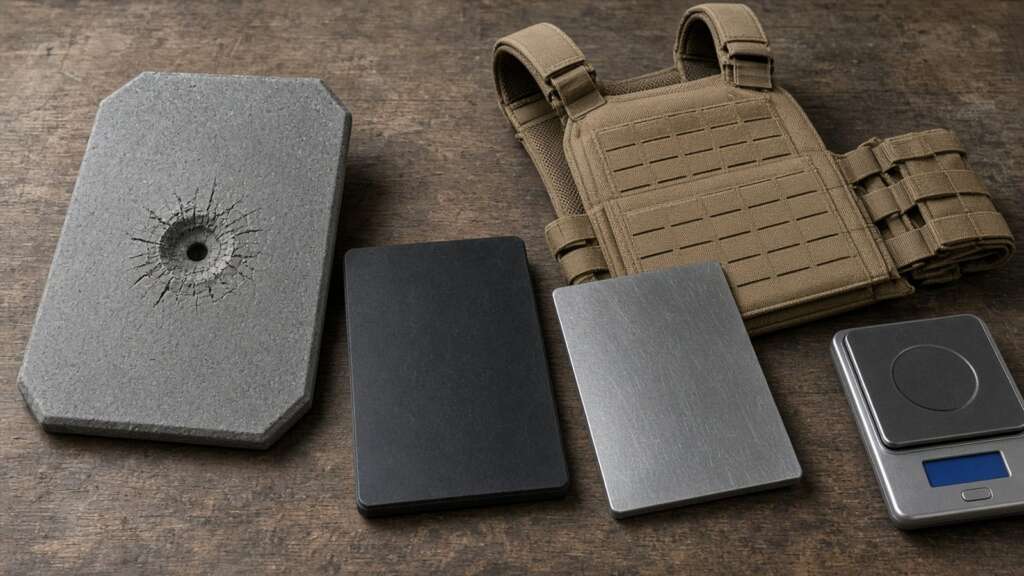
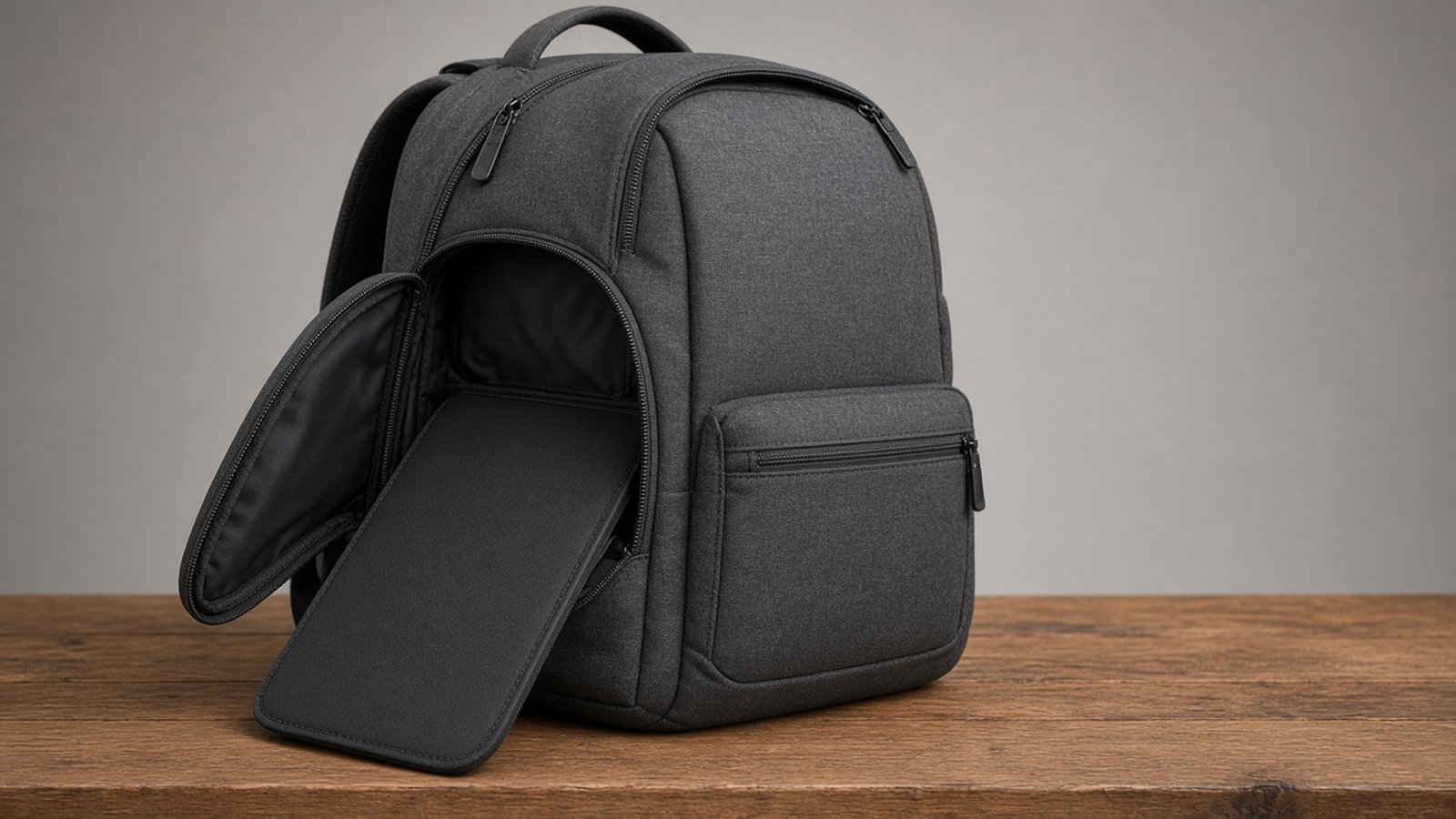
Almost every product sold under this name is an ordinary backpack with a pocket for a flat armor panel. Sometimes the panel is sewn in. More often it slides into a padded laptop sleeve against your back. The panel is soft armor: layers of aramid fabric like Kevlar or sheets of ultra-high-molecular-weight polyethylene (UHMWPE), the same materials used in concealable police vests. A few brands sell rigid inserts or hard plates that can be fitted to a pack, which is a different and much heavier thing.
That distinction matters more than any brand name. Soft panels are built to stop handgun bullets. They will not stop rifle rounds. If a product hints at rifle protection without a hard plate and a rifle rating, be skeptical.
Ratings: IIIA, HG1, HG2 and what they mean
For decades, U.S. buyers relied on NIJ Standard 0101.06, which rates soft armor as Level II or Level IIIA. Level IIIA is the top soft-armor level and is tested against rounds such as 9mm and .44 Magnum at specified velocities. In 2023 the National Institute of Justice published Standard 0101.07, which renames the levels. Handgun levels became HG1 and HG2, and rifle levels became RF1, RF2 and RF3. HG2 is roughly the successor to Level IIIA, with updated test threats.
Our NIJ standards explainer walks through the full list, and if you’re comparing soft and rifle armor, Level 3A vs Level 3 is the place to start.
“Tested to NIJ” is not the same as “NIJ certified”
Here’s the trap. NIJ runs a Compliance Testing Program and publishes a Compliant Products List for body armor models that pass testing at approved labs. That program is aimed at armor designed to be worn by officers. Most backpack panels aren’t on that list. Instead, makers say their panels were “tested to NIJ 0101.06 Level IIIA” at an independent lab. That can be perfectly legitimate, but it means you’re trusting the brand to share the full report. Ask for it. A real report names the lab, the date, the threats, the number of shots and whether any rounds penetrated or exceeded the backface deformation limit.
What a panel protects, and what it doesn’t
A backpack panel covers one side of one part of your body. Worn normally, it shields your back from shots from behind. To protect your front, you have to swing the pack around and hold it in front of your chest, which takes time and practice. Panel sizes vary, but many are roughly the size of a laptop, so they cover the center of the torso and leave the sides, neck, head and hips open.
Soft armor also has limits on what it stops. Knife and spike protection are separate ratings, and most ballistic panels aren’t rated for stabs. Multiple hits close together, unusual high-velocity handgun loads and anything from a rifle can defeat a soft panel.
I say all of this not to scare anyone off. A panel that stops a handgun round is meaningful protection. But you should buy one knowing exactly what you’re getting.
Coverage and weight checker
Use this tool to see how much of a typical torso a panel covers and what it adds to the pack. Panel areal density varies by material and level. Check the maker’s spec if you have it; soft handgun panels often fall around 0.8 to 1.2 pounds per square foot.
Backpack panel coverage and weight
Enter your numbers and press the button.
Kids and school backpacks
This is the part of the market that gets the most attention and the most heat. Parents buy panels for children, and schools take very different positions. Some districts allow armored backpacks. Some have banned them, or require clear backpacks that make an insert obvious. A few have bought armored panels or shields for classrooms. Before buying, check your district’s policy so a child isn’t caught between a parent’s purchase and a school rule.
Two practical points from talking with parents. First, weight. A child’s pack is already heavy, and a pound or two of armor on top adds up, which is why panel size and density matter. Second, training. A panel only helps if a child knows to keep the pack on or use it as a shield instead of dropping it to run. Most security trainers will tell you that following lockdown procedures and getting away come first. The panel is a backup, not a plan.
Is it legal to buy one?
In most of the United States, adults can legally buy and own body armor, including backpack panels. There are exceptions. Federal law makes it a crime for a person convicted of a violent felony to buy, own or possess body armor. Some states go further. New York, for example, passed a law in 2022 restricting body armor sales to people in eligible professions, and Connecticut requires most sales to happen in person. Rules change, and they vary for shipping across state lines, so check current law where you live before ordering. Outside the U.S., rules are often stricter.
How to judge a bulletproof backpack before you buy
Buyer’s checklist (tap each)
☐ A real test report
Ask for the lab name, date, standard, threats and results. A logo on the website is not a report.
☐ The exact level
IIIA or HG2 for soft panels. Be wary of vague phrases like “military grade” or “bulletproof up to rifle”.
☐ Panel size
Bigger panels cover more but weigh more. Know the actual dimensions.
☐ Material
Aramid and UHMWPE both work. UHMWPE is lighter but dislikes high heat, so don’t leave it baking in a car.
☐ Warranty and shelf life
Many makers list a service life, often around five years for soft armor. Check the date of manufacture.
☐ Return policy
You should be able to inspect the panel and paperwork before you’re locked in.
☐ Fit with the pack
A panel that slides around or sits too low in the pack covers less than you think.
Caring for an armor panel
Soft armor degrades with heat, moisture, UV and repeated flexing. Keep the panel inside its cover and out of hot cars when you can. Don’t fold, crush or puncture it. Never wash it. Inspect it for creases, swelling or a torn cover, and replace it if it’s damaged or past the maker’s service life. If a panel ever stops a round, it has done its job and needs to be replaced.
A quick word on the materials
Aramid fibers and UHMWPE both work by catching a bullet in a web of very strong fibers and spreading its energy over a wider area. Neither is “hard” in the way steel is hard, which is why soft armor is flexible. If you’re curious how these fibers compare with other tough materials, ListsResource has a readable list of the strongest materials on Earth. For rifle threats, you need a rigid plate, which we cover in Level 4 body armor.
Alternatives worth comparing
A backpack panel isn’t the only way to carry soft armor, and it’s worth thinking about what you’re actually trying to protect against.
A concealable vest
A vest covers front and back at the same time and stays on your body. For adults who face a specific, ongoing risk because of their job, a properly fitted concealable vest is usually the better tool. It costs more, it’s hotter to wear and it has to be fitted. But it doesn’t depend on reaching for a bag.
A standalone armored insert
Some people carry a loose panel in a briefcase, laptop bag or messenger bag instead of buying a dedicated backpack. The protection is the same as long as the panel and its rating are the same. The advantage is flexibility; the downside is that loose panels shift around and can end up sideways at the bottom of the bag.
Armored clipboards, binders and shields
Teachers and security staff sometimes use armored clipboards or small handheld shields. They’re quick to grab and easy to hold in front of the body. Like backpacks, they only cover what they cover.
Questions I’d ask any seller
When I review one of these products, I email the company before I write a word. The answers tell me a lot. Who tested the panel, and when? Can I see the full report, not a summary graphic? What exactly was the test threat and velocity? How many shots, and how close together? What’s the service life, and is the manufacture date printed on the panel? Is there a trauma pad or is it ballistic layers only? What happens if the panel stops a round; will you replace it? Good companies answer quickly and attach documents. Companies selling fear tend to answer with a coupon code.
Bulletproof backpack FAQ
Do bulletproof backpacks actually work?
A properly tested soft panel can stop common handgun rounds at its rated level. It does not stop rifle fire and only covers part of one side of the body.
What level should a bulletproof backpack be?
Level IIIA under the older NIJ 0101.06 standard, or HG2 under the newer 0101.07 standard, is the usual target for soft panels.
Are bulletproof backpacks NIJ certified?
Most are not on NIJ’s Compliant Products List. They’re usually described as tested to an NIJ standard at an independent lab. Ask to see the report.
How much does a bulletproof backpack weigh?
The panel alone often adds one to two pounds depending on size and material.
Can kids take bulletproof backpacks to school?
It depends on the district. Some allow them, some ban them, and some require clear backpacks. Check the policy first.