Is Bulletproof Paint Real? What Ballistic Coatings Can and Cannot Do
No coating alone stops bullets. Here is what research says polyurea and other ballistic coatings actually do, and how to check a protective claim.
What this guide covers
- Short Answer
- Why the Myth Persists
- What the Research Shows
- Where Coatings Genuinely Help
- Where Coatings Do Not Help
Search for “bulletproof paint” or “bulletproof coating” and you will find videos of trucks being shot at, product pages promising ballistic protection in a spray can, and plenty of confusion. The honest answer is that no paint or sprayed coating, applied by itself to an ordinary surface, will make that surface bullet resistant. But coatings do have real, documented roles in protective systems. This article separates what the evidence supports from what it does not.
Short Answer
- Paint is not armor. A thin decorative or protective film does not stop bullets.
- Thick elastomeric coatings such as polyurea are not armor on their own either. They are tough and flexible, but a layer of polyurea alone is not a rated bullet-resistant barrier.
- Coatings can be part of a protective system. Bonded to steel, composites, or masonry, elastomers have been studied for penetration resistance, fragment retention, and blast mitigation.
- Ratings belong to the tested system. If a coated product carries a ballistic rating, the rating applies only to the exact substrate, thickness, and construction that passed the test.
Why the Myth Persists
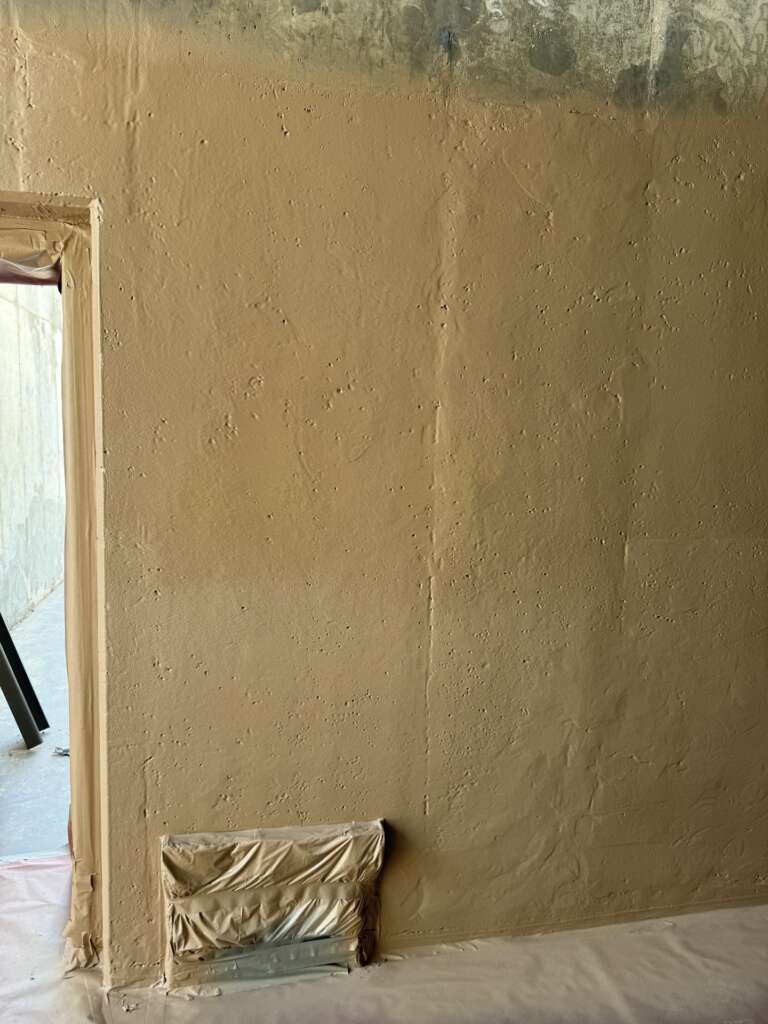
Polyurea and polyurethane bed liners are famously tough. They resist abrasion, impact, and tearing far better than paint, and videos of coated objects surviving hammer blows or even gunfire circulate widely. What those demonstrations usually leave out is the substrate: a coated steel plate, a coated composite panel, or a thick masonry wall. The coating may change how the system behaves, but the substrate does most of the work of stopping a projectile.
The other source of confusion is the word “ballistic.” Some products are marketed as “ballistic coatings” because they are tough or because they are used on armored vehicles, not because they have a ballistic rating themselves. Always ask: rated to what standard, at what level, as part of which assembly?
What the Research Shows
Elastomeric coatings have been studied seriously by U.S. defense laboratories. Two lines of research are especially relevant.
Penetration resistance in layered armor
Researchers at the Naval Research Laboratory published Elastomer-steel laminate armor in Composite Structures in 2010. The work examined how a polyurea layer bonded to steel plate affects resistance to projectile penetration. A notable finding across this body of research is that placement matters: the elastomer contributes when it is on the strike face of the steel, while the same layer on the back face does not provide the same benefit. In other words, the coating is a contributor within an engineered armor system, not a stand-alone barrier.
Fragment containment in blast
The Air Force Research Laboratory at Tyndall Air Force Base tested spray-on elastomers as a way to keep concrete block walls and lightweight structures from turning into deadly debris during an explosion. According to an Air Force news article on the program, researchers evaluated 25 commercially available polymers and found the sprayed elastomer could provide protection without fiber reinforcement. The peer-reviewed paper Explosive Testing of Polymer Retrofit Masonry Walls describes the test methods and mechanisms. This is about blast fragments, not bullets, and we cover it in detail in our article on polyurea blast retrofits for walls.
Where Coatings Genuinely Help
Based on the research and how protective systems are built, coatings add value in a few specific ways:
- Fragment and spall retention. A bonded elastomer on the protected side of a wall or panel can help hold broken material together. UL 752, the U.S. bullet-resisting equipment standard, fails a sample if spall from the back face damages an indicator panel behind it, so fragment control is part of real ratings. See our guide to spall liners for more.
- Layered system performance. As part of a tested armor or panel assembly, a coating can contribute to performance, as the laminate research shows.
- Protecting the armor itself. Composite armor can degrade with moisture and UV, and steel corrodes. A tough, sealed coating protects the expensive layer underneath from the environment, abrasion, and handling damage.
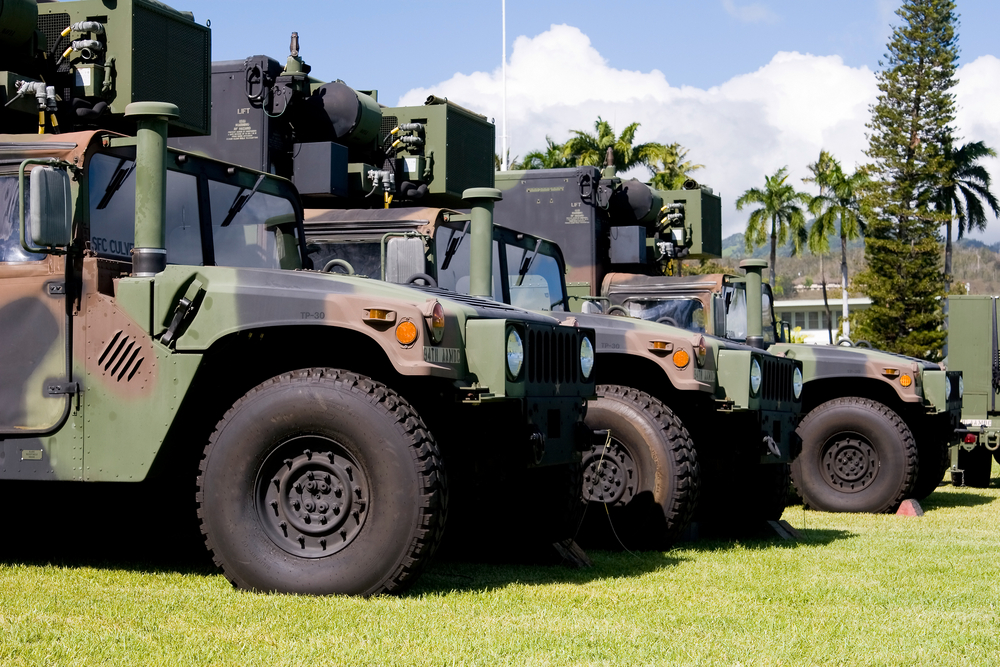
- Vehicle durability. On military and security vehicles, coatings are used for abrasion and corrosion resistance and as part of protective packages. Our article on spray-on armor for military vehicles covers this use.
Where Coatings Do Not Help
- Drywall, wood, glass, or sheet metal. Spraying a coating onto these does not make them bullet resistant at any recognized level.
- Replacing rated panels. A coating cannot substitute for a rated fiberglass, steel, or composite panel in a bullet-resistant room. Our guide to bullet-resistant panels and materials covers those options.
- Personal protection. Body armor is rated under NIJ standards, and coatings on clothing or carriers do not make them armor. See NIJ ballistic armor standards explained.
- Rifle threats on thin substrates. High-velocity rifle rounds demand substantial armor. No coating on a light substrate changes that.
How to Evaluate a “Ballistic Coating” Claim
If you are considering a coated product for protective use, ask the supplier for specifics:
- Which standard and level? UL 752 for fixed barriers, NIJ for body armor, or a military specification for vehicles. Our guide to UL 752 levels explains the architectural ratings.
- What exactly was tested? Substrate material and thickness, coating type and thickness, which side was coated, and how the sample was mounted.
- Who did the testing? An independent accredited laboratory, the date, and the full report, not a summary or a video.
- Is it a listing or a one-time test? A UL listing appears in the UL Product iQ database and includes follow-up inspection. A one-time test does not.
- Does your installation match? Same substrate, same thickness, same coating, same side.
If a seller cannot answer these, treat the protective claim as unverified.
Why Accurate Language Matters
Overstating what a coating does is not just a marketing problem. People make safety decisions based on these claims. A business owner who believes a coated wall is bullet resistant may skip the rated panels, doors, and glazing that would actually protect staff. Accurate language protects buyers, and it protects reputable applicators and manufacturers who test their systems properly.
The same caution applies to readers. If you see a dramatic test video, look for the details: the substrate, the round, the distance, the shot count, and whether anything came off the back face. Those details decide whether the result means anything for your project.
Frequently Asked Questions
Is a truck bed liner bulletproof?
No. A bed liner is an abrasion and impact coating. It does not give a truck bed, door, or cab any recognized ballistic rating. Armored vehicles rely on armor steel, composites, ceramics, and rated glass, with coatings used for durability and as part of tested packages.
Can a coating improve a wall I already have?
It can help with fragment retention in a blast, which is what the Air Force research addressed. It does not convert an ordinary wall into a bullet-resistant wall. For ballistic protection, add rated panels and match doors and glazing to the same level.
Does a thicker coating mean more protection?
Not by itself. Performance depends on the whole system, and research on elastomer-steel laminates found that where the coating sits matters, not just how much is applied.
Key Takeaways
- “Bulletproof paint” does not exist in any meaningful sense; no coating alone is a rated bullet-resistant barrier.
- Elastomeric coatings such as polyurea have real, researched roles in layered armor, fragment retention, and blast mitigation.
- Any rating applies to the full tested system, including substrate, thickness, and coated side.
- Ask for the standard, level, lab report, and listing before relying on a protective claim.
For more background, read our earlier article on polyurea and ballistic threats and our ballistic testing page.