
For new and existing applicators
Start a ballistic coatings business.
Spray-on protection is specialist work with specialist buyers — armored-vehicle upfitters, secure facilities, infrastructure owners. Tell us where you are starting from and a coatings specialist will map out the equipment, training and costs to get you there.
- Proportioner, hose and gun packages sized to your budget
- Hands-on training on prep, spraying and inspection
- Startup, material and per-job cost breakdowns
- Protective markets that fit your region

Step 1 of 4 · About 60 seconds
Get your free startup plan
You're on the list.
A coatings specialist will reach out within one business day with equipment options, training availability and startup costs for your market.
Free, no obligation. Your details go to one specialist and are never sold.
What you can build
Three ways applicators get started
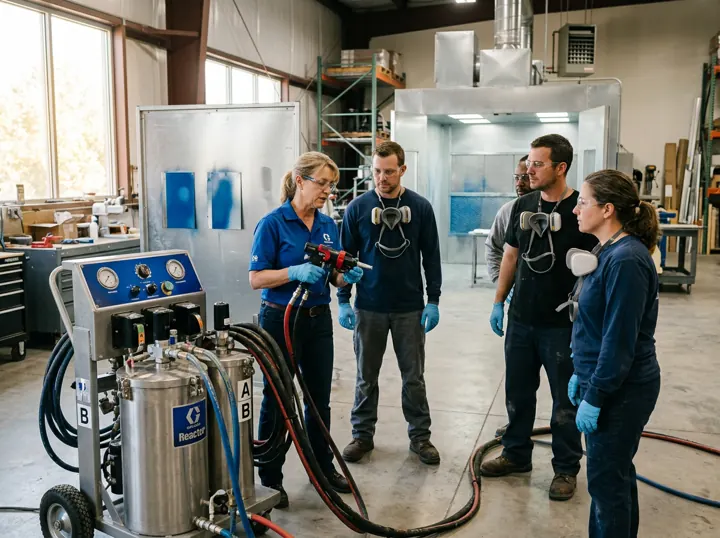
Brand-new business
No spray background? Many applicators start here. Training, a mobile rig and bedliner-style work build skills and cash flow before specialty protective jobs.
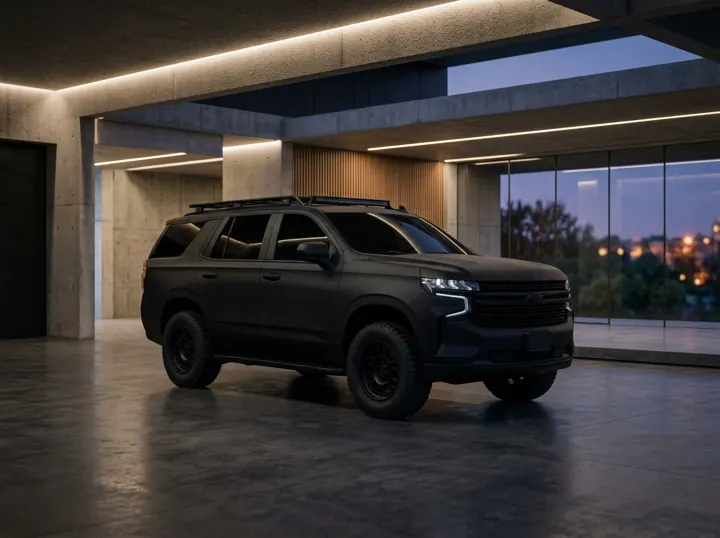
Add it to your shop
Already spray bedliners, roofing or foam? Ballistic and blast work uses much of the same equipment and opens higher-value fleet and security customers.
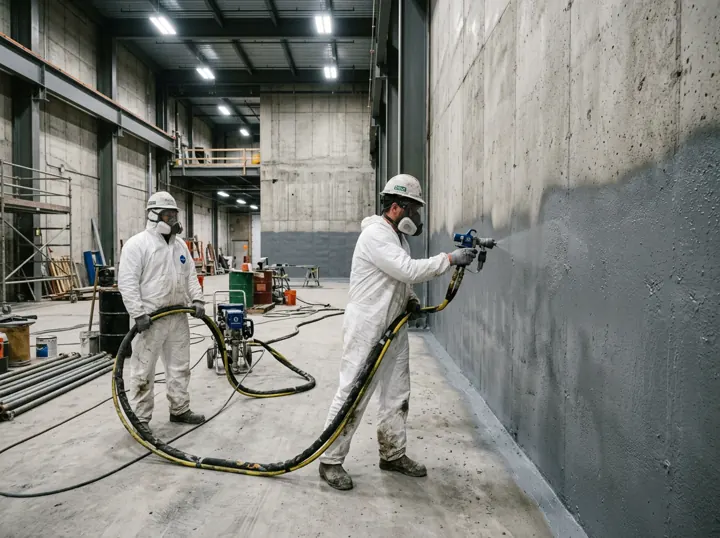
Protect your own assets
Facility managers, upfitters and agencies can bring application in-house or find a trained applicator for a specific project.
How it works
One minute now. A real plan tomorrow.
- 1
Answer four questions
Your goal, what you want to coat, timing and budget.
- 2
Talk to a specialist
A coatings specialist reviews your answers and reaches out, usually within a business day.
- 3
Get your roadmap
Equipment options, training dates and the numbers you need to decide.
FAQ
Before you start
What is a ballistic coating?
A ballistic coating is a thick, spray-applied elastomer — most often a pure or hybrid polyurea — bonded to a substrate such as steel, concrete, composite or masonry. On its own it is not body armor. Its job is to add toughness to an armor system: it helps hold fractured material together, reduces spall and fragmentation on the protected side, and can improve how a panel or wall behaves under blast and impact. Performance depends on the full system, so it has to be proven by testing.
Can a spray coating make a vehicle or wall bulletproof?
No coating makes anything bulletproof by itself, and claims that it does should be treated with suspicion. What a polyurea layer can do is improve the performance of an engineered system — for example steel or ceramic plus coating — and that system is what gets rated through standardized testing such as the NIJ and UL 752 protocols.
What equipment do I need to start spraying polyurea?
Professional polyurea is applied with a heated, high-pressure plural-component proportioner, heated hose and an impingement spray gun, plus an air supply, a generator or shore power and full respiratory protection. Many applicators build the setup into an enclosed trailer or box truck so they can work on site. Exact equipment depends on the materials and the jobs you plan to take.
Do I need experience to get into ballistic coatings?
Many successful applicators start from bedliner, roofing, spray foam or industrial painting backgrounds, but it is not a requirement. Hands-on manufacturer training covers surface preparation, equipment operation, mixing ratios, film-thickness control and safety. Ballistic and blast work usually also requires following a tested system specification exactly.
Who buys ballistic and blast-resistant coatings?
Typical buyers include armored-vehicle builders and upfitters, security and guard-post contractors, government and defense facilities, energy and critical-infrastructure operators, and owners who want blast or fragmentation protection added to existing structures.
What happens after I request a startup plan?
A coatings specialist reviews your answers and follows up — usually within one business day — with equipment options, training availability and realistic startup costs for your market. There is no cost and no obligation.